Space science
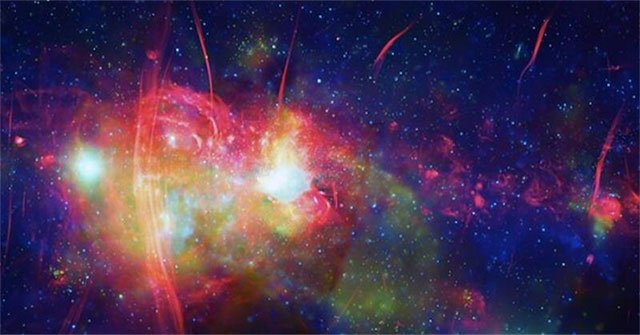
NASA published stunning photos in the center of the Milky Way
NASA on March 23 released a stunning image of the center of the Milky Way galaxy, where there is a supermassive black hole Sagittarius A *.
Browse ScienceInfo articles and explainers related to Black Hole.
385 published items.
NASA on March 23 released a stunning image of the center of the Milky Way galaxy, where there is a supermassive black hole Sagittarius A *.
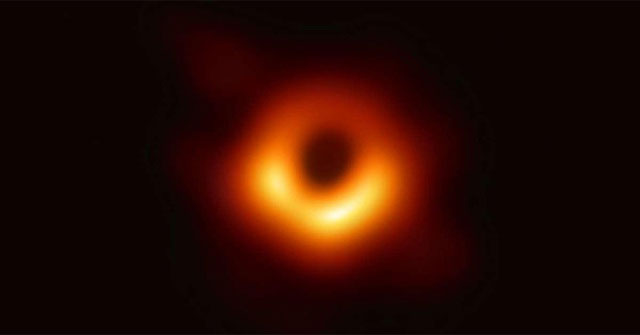
Harvard scientists are the ones who have just claimed to find a way to take sharper pictures of black holes than old fuzzy images available so far.
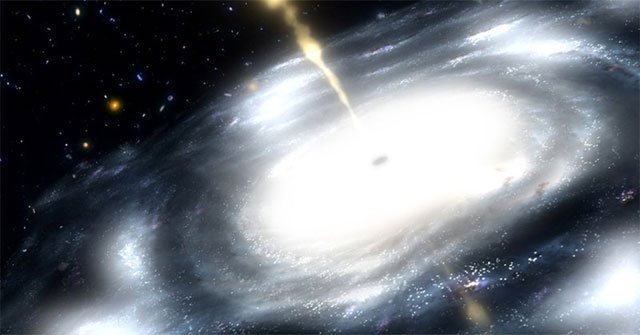
Thanks to the phenomenon of gravitational lensing, astronomers have observed the activity of a black hole in the center of the galaxy 11 billion light-years away.
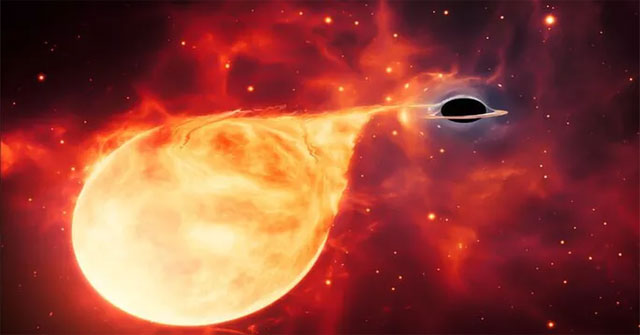
The aggressive monster black hole discovered by NASA's Hubble Space Telescope may be the missing link in the evolution of the universe.
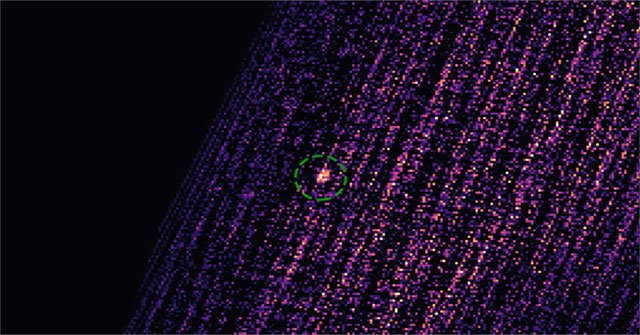
NASA accidentally captured an X-ray burst, a phenomenon that occurs when black holes suck matter from stars in the constellation Columba.
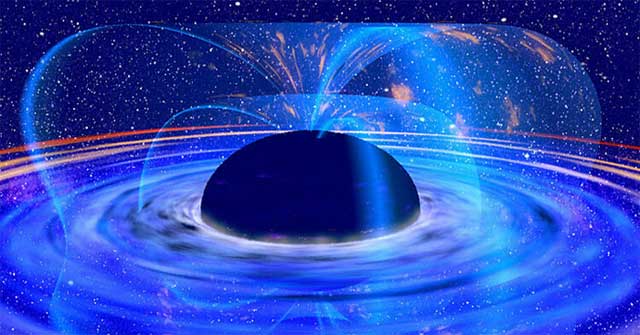
The echo of X-ray radiation helps to identify the material properties swallowed by the black hole, the gas environment surrounding the black hole ...
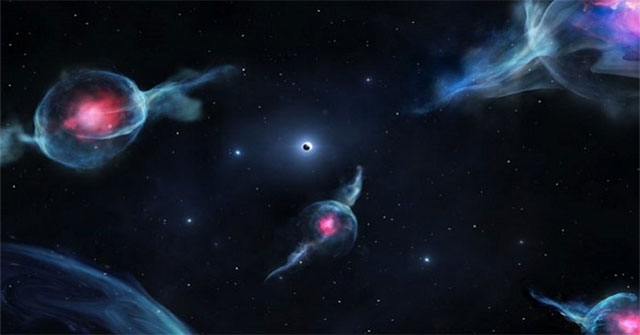
Astronomers discovered six objects orbiting the supermassive black hole Sagittarius A * in the center of the Milky Way, most likely a merged star cloud.
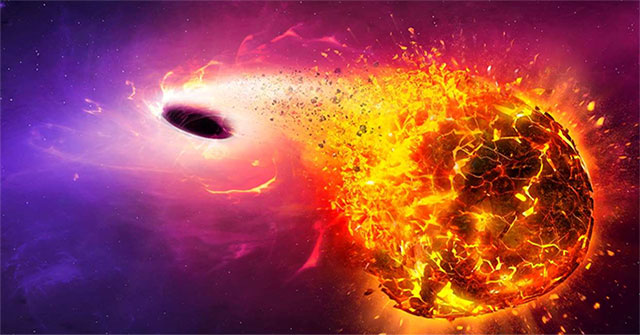
Scientists have revealed what they believe to have 'fed' supermassive black holes in the early universe.
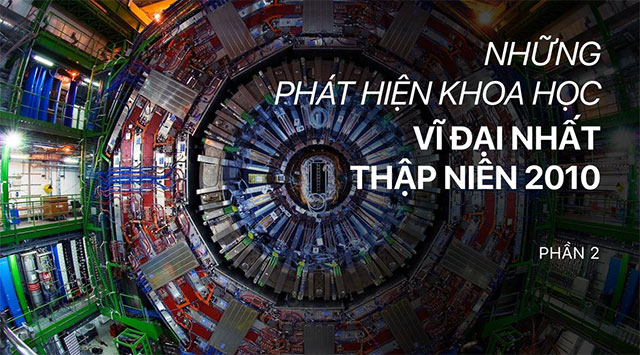
We are entering a time of transition that is not just a new year but a new decade. Let's review the most important scientific findings in the past 10 years.
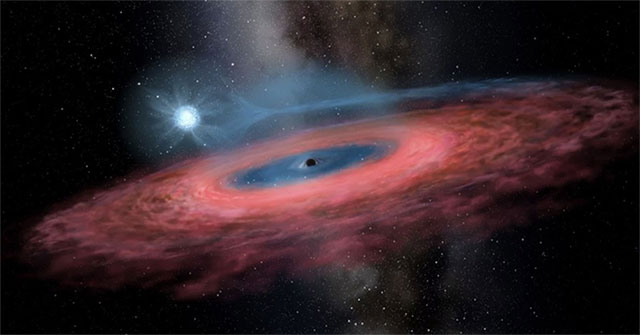
The giant black hole challenging every theory published in November could be a mistake only by scientists.
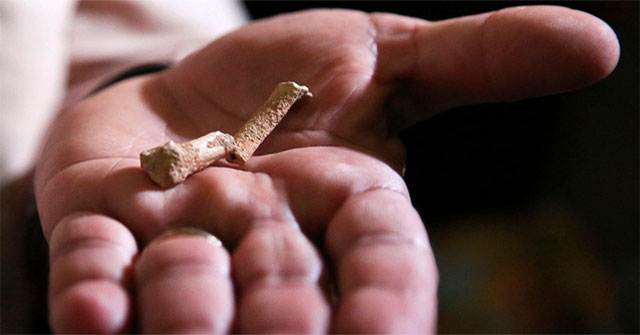
2019 witnessed major breakthroughs in science such as capturing the first image of a black hole, operating a quantum computer, solving a problem that exists for 65 years.

A team of astronomers at Ohio University found that the object is most likely a black hole about 3.3 times the mass of the Sun.
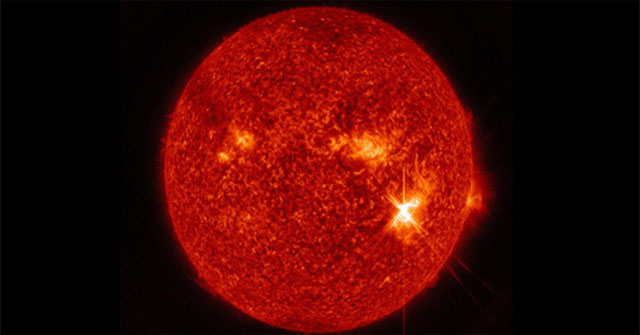
Will our sun become a black hole? According to a new NASA study, it is not possible because it is too small.
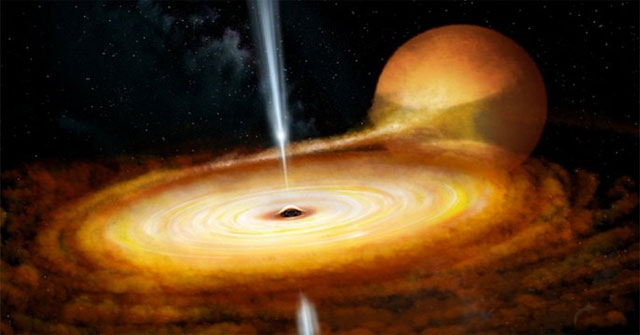
Astronomers have observed the black hole MAXI J1820070 in the Milky Way flashing brightly while 'gobbling up' a neighboring star.

3.5 million years ago, a huge explosion had 'flashed' from the center of our Milky Way galaxy. The radiation from the explosion was felt 200,000 light-years away.